.
“Only when the last tree has died and the last river been poisoned and the last fish been caught will we realize we cannot eat money.”
–Cree Indian Proverb
So many of our shopping choices are ones we make by habit. We continue to buy the same products simply because they’re the ones we’ve always bought, or because they’re on sale. We don’t stop to consider whether we could be making better choices.
Take something as simple and common as toilet paper. Did you know the average American (and probably Canadian) uses almost three rolls of toilet paper per week? According to the Vancouver Sun (February 26, 2019) the majority of toilet paper (and tissue and paper towel) comes from virgin fibre pulp from Canada’s old boreal forests. This is to meet the demand of us consumers who want the softest, most absorbent tissue we can get. (A number of really cute commercials spring to mind.) These manufacturers do not use recycled materials or alternative fibres and this comes at the expense of our forests
There are, in fact, less well known tissue manufacturers that use recycled materials or sustainable bamboo and sugarcane instead of pulp from trees
Bamboo tissue (with sugarcane fibres) are 100% free of all wood fibre. They are biodegradable. And they are soft.
Trees are essential to our existence. They provide oxygen and clean air for us to breathe and help moderate our climate. When trees are re-planted it can take several decades to reach full maturity. Bamboo, on the other hand, grows quickly and produces 35% more oxygen than trees. 
Switching to a different paper product is just one small change we can all make to ensure the survival of our forests.
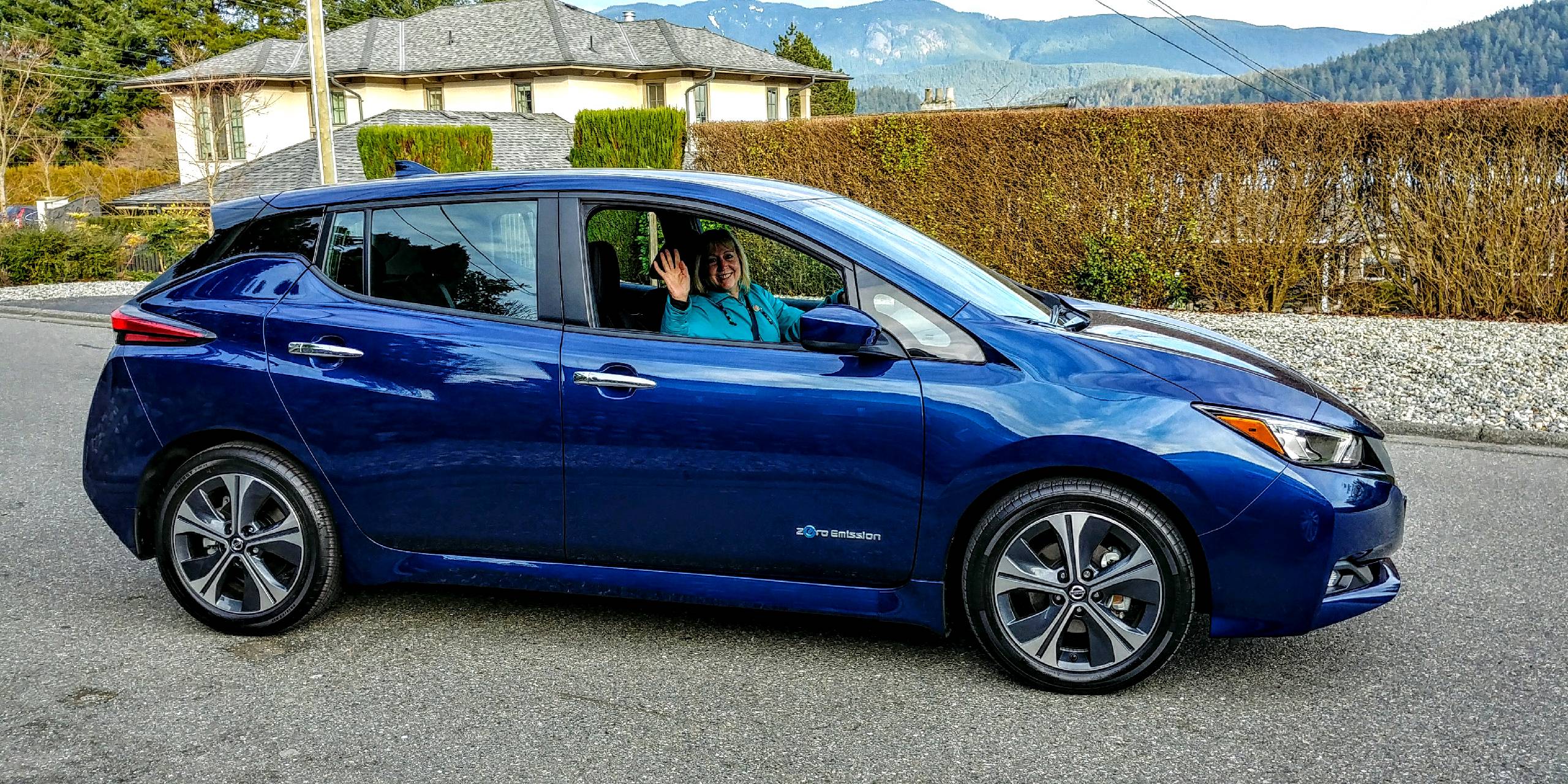 It’s 2019 and I’ve turned over a ‘blue Leaf’. Nissan Leaf that is. I’ve made the leap to electric. Zero emissions. The electricians are in the garage right now, installing the correct hardware (220 volts.) The car salesperson assured me that the “range anxiety” new electric car owners experience would dissipate in just 24 hours. It will take some time to get used to plugging it in each day, but I won’t be watching gas prices anymore. What will take the most getting used to is the larger sized body. My little red Smart car (Ladybug) was so easy to parallel park and maneuver in tight spaces. Suddenly I feel like I’m driving a mini van again. But it drives so smoothly, so quietly. So far I’m loving everything about it, especially the no emissions part.
 y walk to. I thought it was absolutely charming although, perhaps, poorly named. (Aren’t all libraries free?) Anyway, I immediately began ‘taking and sharing’. Often I leave copies of my own titles.

 I read 3 opinions this week (re the controvercial oil pipelines in BC) that really spoke to me.
 Last week I received a Facebook message from a woman who asked if I’d taught at a particular school close to 30 years ago. I had. She said she’d been a student in my class when she was in Grade 3. She’d recently read a post on Social Media about favourite teachers and it made her think of me.
 I’m so excited that I soon get to see these women perform in their new theatre production, Mom’s the Word 3: Nest 1/2 Empty. I’ve been following their careers since they staged the first version of Mom’s the Word, a collection of stories that poke fun at the joys and challenges of raising toddlers. Their second show in this series – some years later – dealt with raising teens and it was just as wonderful. Now they’re on their third production where their children are leaving the nest (or not). Their marriages may have evolved as well. Alison Kelly (second from right) and I swapped parenting stories on the side of the soccer pitch for many years so I know first hand where some of her material comes from.

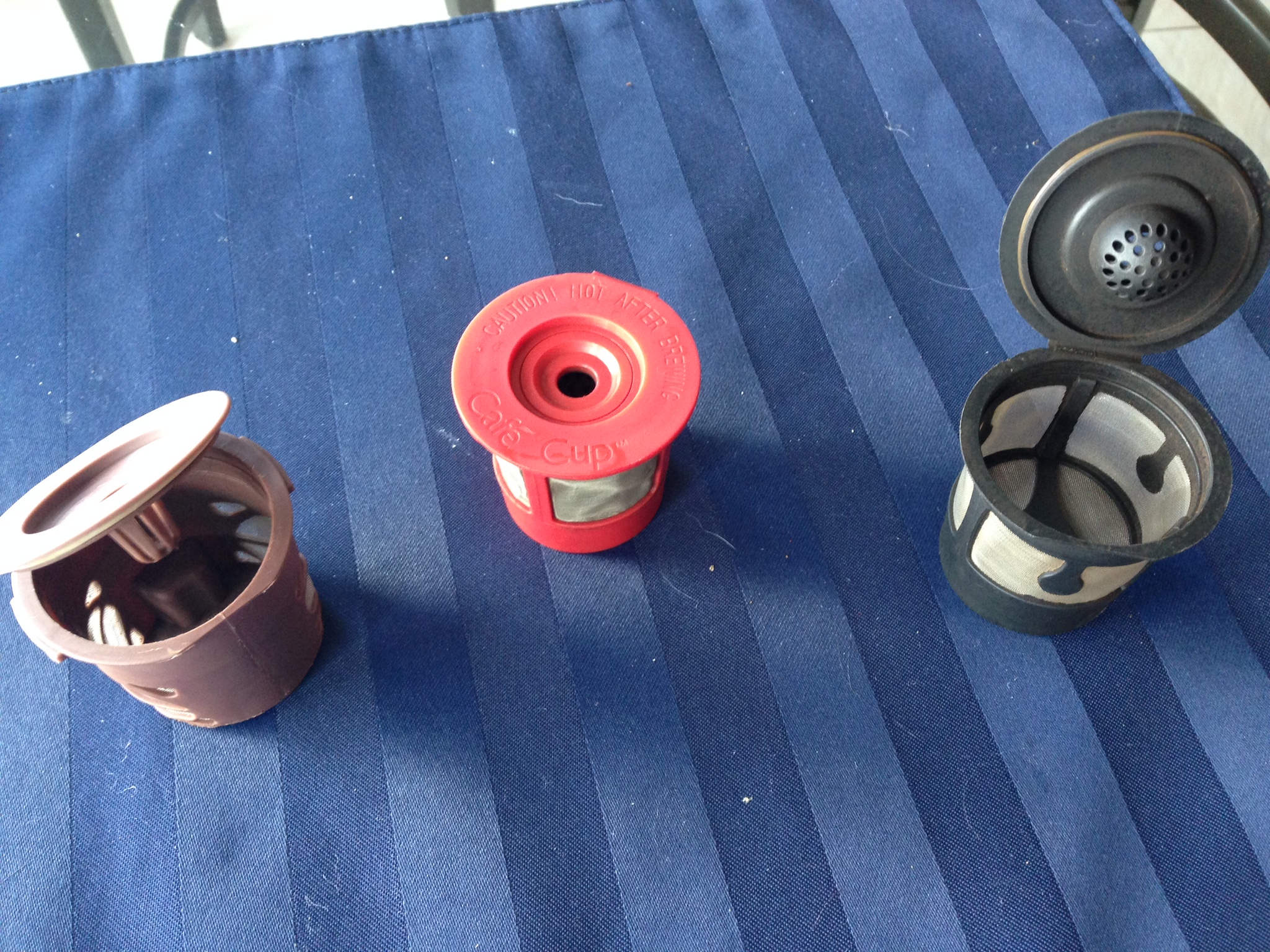
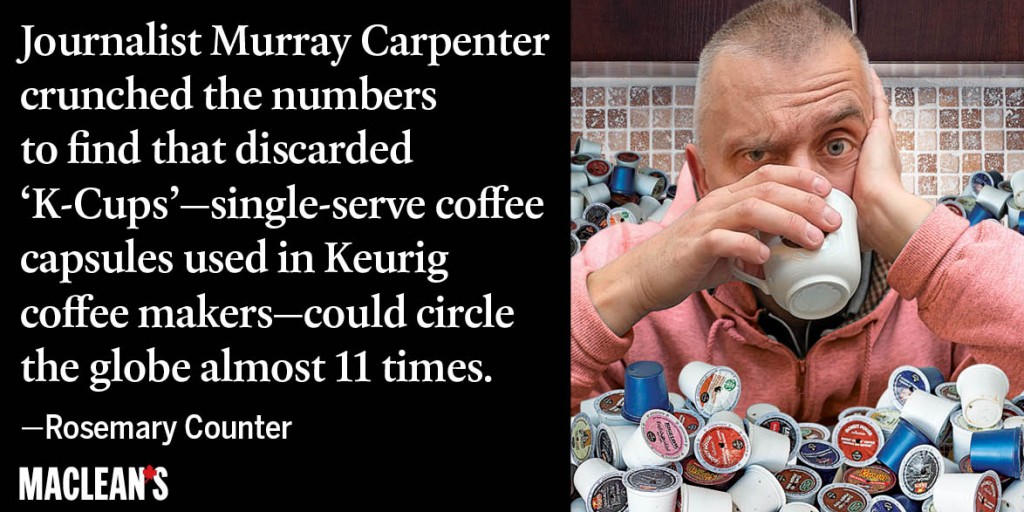 Anyone who cares about their environmental footprint shudders at the thought of adding even one single-use coffee pod to the tens of billions that end up in the landfill each year. Separating the coffee from the foil and plastic for recycling/composting is painstaking. But these (pictured below) reusable, one-cup coffee pods are the perfect solution. You simply put in a scoop of ground coffee, brew, then tap it into the compost bucket when you’re done. A quick rinse and you’re ready to make your next cup of coffee in the same ‘pod’.